
Gaume Cheeses: Guardians of a Centuries-Old Dairy Tradition
Between limestone pastures and ancestral farms, Gaume perpetuates an authentic cheese-making craft that is the pride of this Lorraine terroir in southern Belgium.
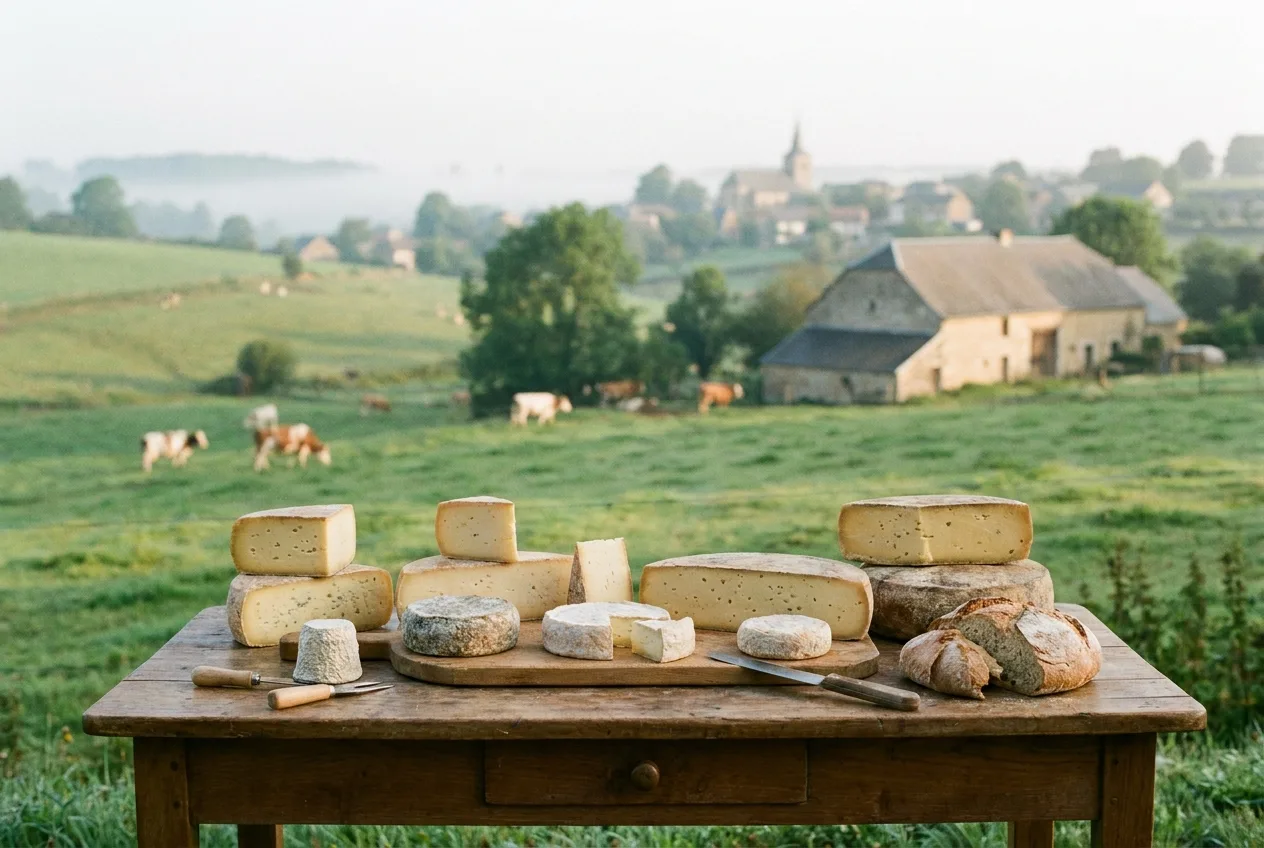
Gaume Cheeses: Guardians of a Centuries-Old Dairy Tradition
The rolling pastures of Gaume, bathed in an almost Lorraine-like microclimate, have always been the cradle of quality dairy production. Here, cows graze on limestone soils that give the milk particular notes, a richness that local cheesemakers know how to transform into exceptional products. This cheese-making tradition, rooted in family farms for generations, is one of the region's gastronomic prides.
A terroir that shapes taste
Gaume's specificity lies in its dry meadows, limestone grasslands and extensive pastures where wild orchids and aromatic plants bloom. This diverse plant carpet feeds the herds and directly influences the aromatic palette of the milk. Gaume cheeses thus bear the imprint of this territory: delicate floral notes, creamy texture, natural rind that tells the story of months of aging in the cool cellars of the farms.
Production techniques respect traditional methods: slow renneting, manual molding, patient aging on spruce boards. Some cheeses are washed with Orval beer or Torgny white wine, creating subtle marriages between local products. Others develop a bloomy or ash-coated rind, depending on customs passed down through generations.
Soft, pressed and creamy pastes
The Gaume cheese range covers several families. Soft cheeses with washed rind develop powerful, almost rustic aromas that evoke the strong character of this border land. Semi-hard pressed cheeses, aged for several months, gain complexity and nutty notes. Fresh cheeses, prepared in spring with milk from the first grasses, are enjoyed plain or garnished with herbs picked from the gardens.
Each cheese tells a story: that of a farm, a family, a particular herd. Formats vary, from small crottin to wheels weighing several kilos, but all share this authenticity that industrial productions lack. They can be found at local markets, in village grocery stores, sometimes directly at the farm where the cheesemaker welcomes visitors curious to discover his workshop.
Pairings and seasons
Gaume cheeses naturally pair with other local products. A piece of pressed cheese with a slice of country bread, a drizzle of local honey and a few walnut kernels: here's a snack that sums up all the generosity of the region. In spring, fresh cheeses accompany the first salads from the vegetable garden. In autumn, aged wheels find their place on game platters.
Some cheesemakers offer tasting workshops where you learn to recognize aging nuances, understand the influence of terroir on taste, and pair cheeses with regional wines. These moments of exchange perpetuate a living gastronomic culture, far from tourist clichés.
In a world where standardization threatens regional flavors, Gaume cheeses embody a gourmet resistance. They are the fruit of a fragile balance between land, climate, animals and human know-how. Each bite is an invitation to slow down, to savor, to recognize the patient work of those who keep this dairy tradition alive. For those who take the time to discover them, they reveal the entire soul of a territory attached to its roots.
Want to discover the Gaume in person?
Six characterful houses, hot tub, walled garden — minutes from the sites we write about.
See the houses