
The Melilot of the Gaume Meadows: A Spring Flower with an Enchanting Scent
In the meadows of Gaume, the sweet clover, a delicate white-flowered plant, blooms every spring, offering a unique olfactory spectacle.
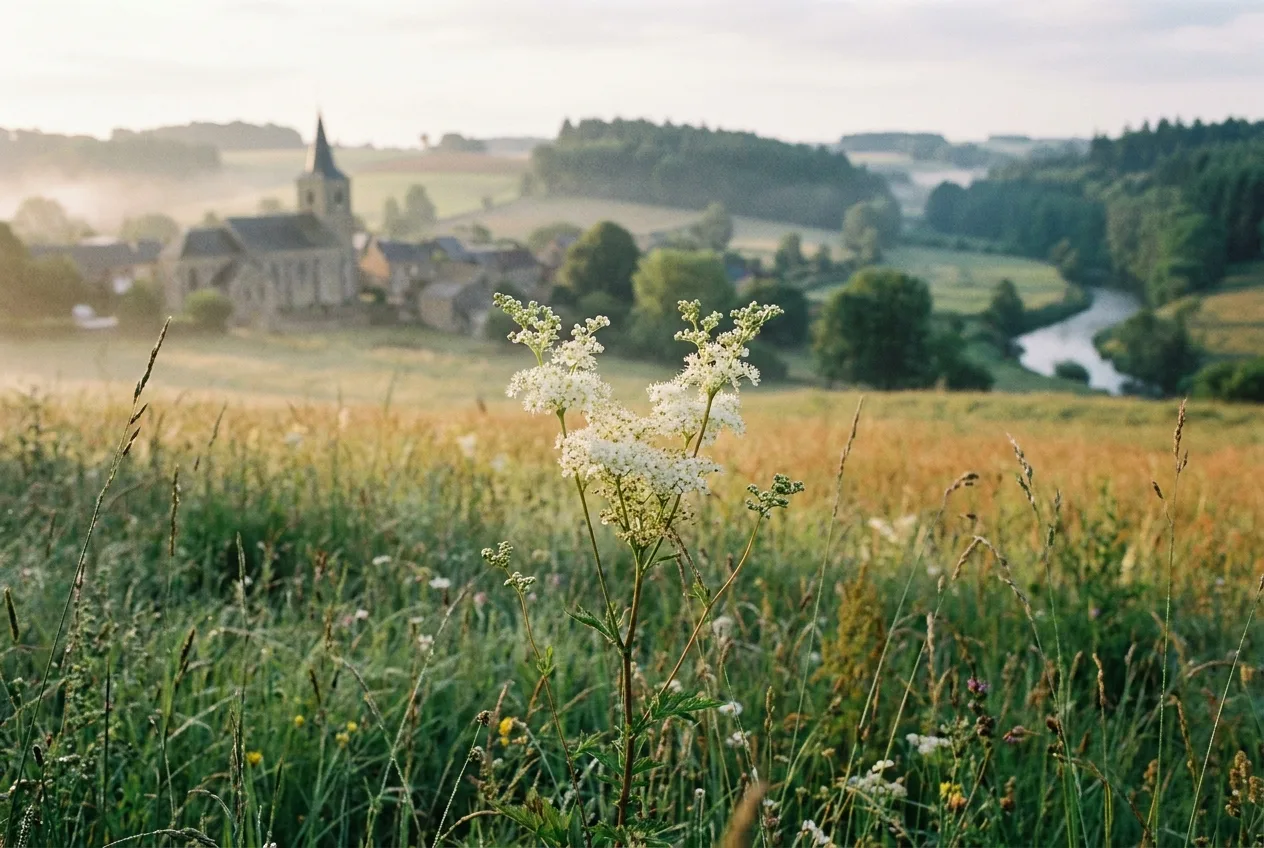
A Subtle but Enchanting Flower
In the vast meadows of Gaume, the sweet clover (Melilotus officinalis) is a plant that could easily go unnoticed. Yet, its subtle and enchanting fragrance makes it a true star of spring. Native to Europe and Asia, this annual or biennial herbaceous plant stands out with its erect stems, which can grow up to 1 meter tall, and its spikes of numerous small white flowers.
A Living Ecosystem
The sweet clover plays a crucial role in the ecosystem of the Gaume meadows. Its flowers attract a multitude of pollinating insects, including bees, bumblebees, and butterflies. These visitors contribute to the plant's pollination, thus promoting its reproduction. Additionally, the seeds of the sweet clover serve as food for many birds and small mammals, enhancing local biodiversity.
An Ancient History
The sweet clover has a long history of use by humans. In the past, its seeds were used as a coffee substitute, and its leaves and flowers were consumed in salads or infusions for their medicinal properties. Today, although less commonly used, the sweet clover remains an important plant for herbalists and wild plant enthusiasts.
A Unique Spectacle
In spring, when the meadows of Gaume are dotted with sweet clover, the scene is magnificent. The white flowers, combined with the shades of green from the grass and other plants, create a harmonious picture that delights both the eyes and the nose. Walkers and hikers can fully enjoy this moment by taking the time to stroll through these meadows, breathing deeply the scented air.
Protecting the Sweet Clover
Despite its resilience, the sweet clover is not immune to threats. Intensive agriculture, urbanization, and pollution can affect its natural habitat. It is therefore important to raise awareness among local communities about the need to preserve these meadows and their biodiversity. Initiatives such as sustainable meadow management and the creation of protected areas contribute to the conservation of this emblematic plant.
Whether you are a nature lover or simply curious, don't miss the spectacle of the sweet clover in Gaume. It is a poignant reminder of the beauty and richness of our natural environment.
Want to discover the Gaume in person?
Six characterful houses, hot tub, walled garden — minutes from the sites we write about.
See the houses