The Roar of the Stag in Gaume: A Moving Natural Spectacle
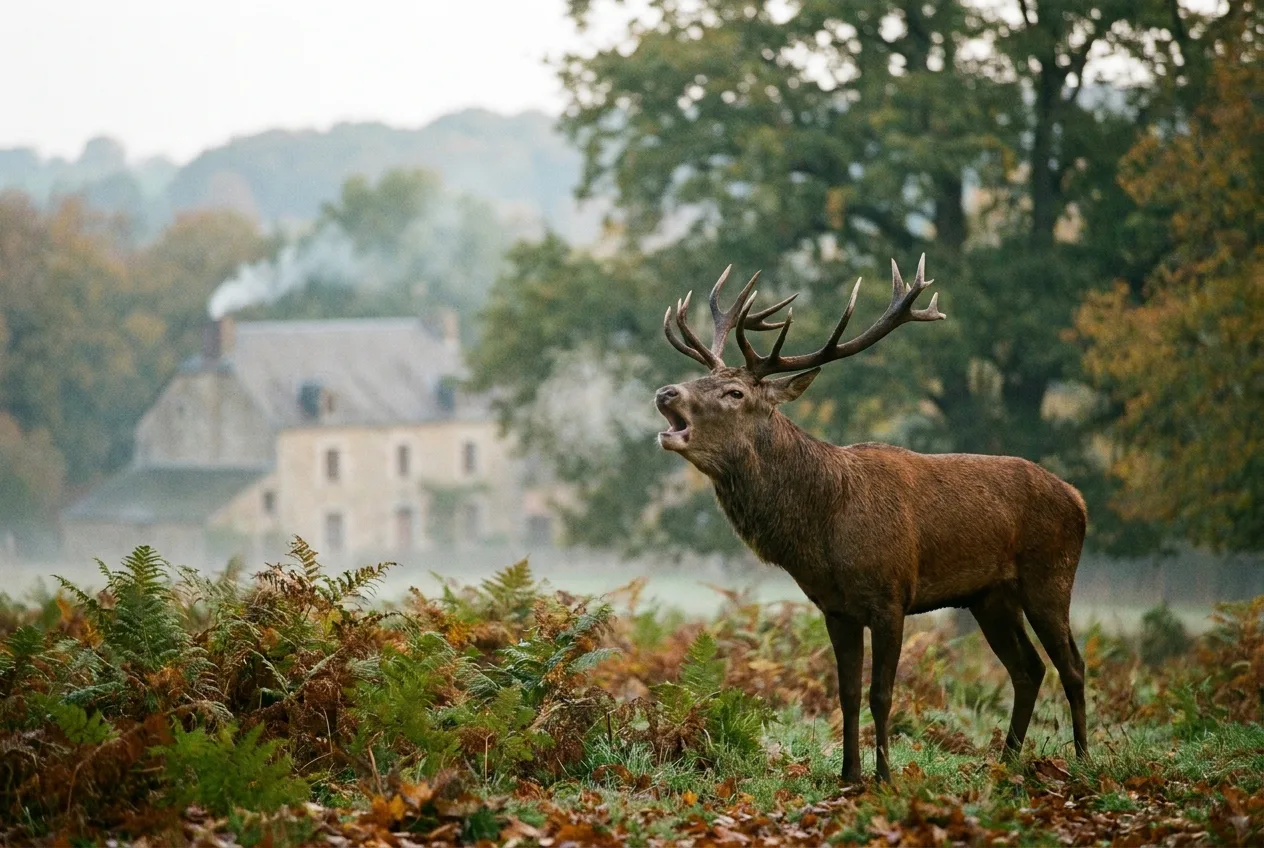
Every autumn, the forests of Gaume echo with the powerful roar of stags. A natural spectacle that delights wildlife enthusiasts.
The Call of the Roar
Each year, as the first leaves fall, the forests of Gaume transform into a natural stage where an ancient play unfolds. The roar of the stag, a guttural and powerful cry, resonates through the cool autumn air, marking the beginning of the mating season for these majestic animals.
An Ancient Ritual
The roar is more than just a sound. It is a ritual that takes place annually between September and November. Male stags, swollen with hormones, engage in battles to attract females and defend their territory. These fights, often spectacular, rarely result in serious injuries but are nonetheless impressive.
Where to Observe the Roar in Gaume
For those who wish to witness this natural spectacle, several locations in Gaume offer exceptional opportunities. The forests of Montquintin, Latour, and Sommethonne are particularly recommended. It is important to remain discreet and not disturb the animals. The best time to observe the roar is usually early in the morning or at dusk, when the stags are most active.
Biodiversity in Gaume
The roar of the stag is not the only spectacle that nature offers in Gaume. This region is home to a rich and diverse fauna and flora. Beech woods, dry meadows, and streams are ecosystems that contribute to the beauty and richness of this land. Roe deer, foxes, wild boars, and numerous birds find refuge here, making each walk a unique experience.
Respecting Nature
Observing the roar of the stag is a privilege, but it is essential to do so with respect. Not leaving litter, staying on marked trails, and avoiding excessive noise are simple but important gestures to preserve this natural environment. Gaume, with its intact natural heritage, deserves to be protected for future generations.
Want to discover the Gaume in person?
Six characterful houses, hot tub, walled garden — minutes from the sites we write about.
See the houses