
Gaume Cheese: A Flavorful Heritage from Wallonia
Explore the artisanal cheeses of Gaume, where local terroir shapes unique flavors. A culinary journey through the shepherds of Wallonia.
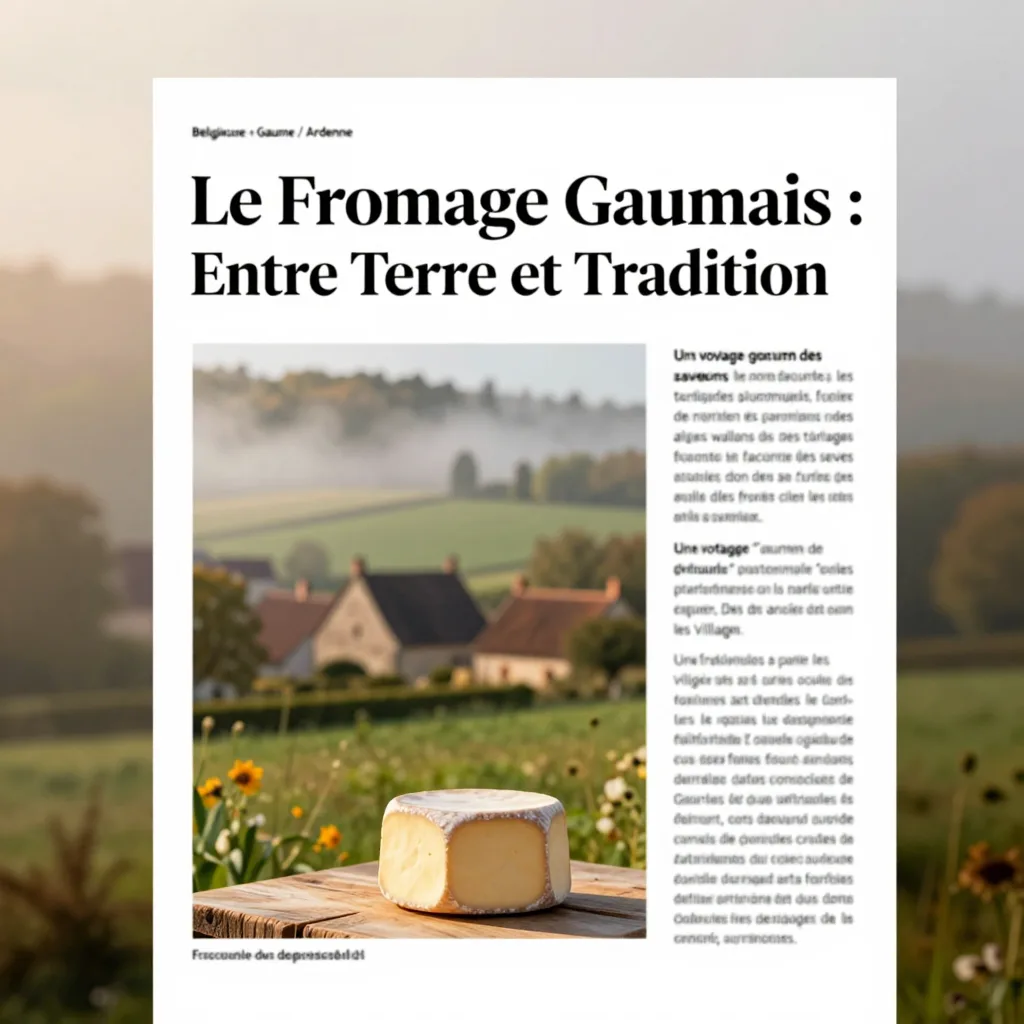
A Tradition Woven into Rural Life
The rolling hills of Gaume conceal a centuries-old cheese-making tradition that thrives on family farms. Long before industrial dairies took over, Gaume’s villages produced cheeses for home use, perfectly adapted to the region’s varied landscapes. These cheeses, often aged in damp cellars or well-ventilated attics, bear the unmistakable imprint of the soil and climate. Gaume’s contrast between lush valleys and drier plateaus creates a diversity of pastures that directly influence the milk’s flavor—and thus, the cheeses’ taste. Traditional producers still use raw milk, preserving natural ferments that give a complexity unattainable with pasteurized milk. Round or square loaves, bloomy or washed rinds—each shape and texture reflects methods passed down through generations. Here, there’s no single recipe; every cheese tells the story of a farm, a herd, and a season.
Cheeses That Tell Gaume’s Story
Perhaps the most iconic Gaume cheeses are made from goat’s milk. Goats graze on aromatic grasses like savory and oregano, subtly flavoring their milk. Fresh, semi-hard, or aged cheeses often come in the form of logs, pyramids, or flat rounds. Their natural rinds, sometimes dusted with ash or cornflour, reveal aged cheeses that prioritize time over uniformity.
Another staple is cheese with grains, where milk is mixed with local rye or barley flour before curdling. This blend of Gaume’s cereal culture and dairy farming produces a rustic, slightly tangy cheese that can be enjoyed on its own or spread on hearty bread.
Less common but equally fascinating is smoked cheese, a reflection of the resourcefulness of Gaume’s old farmers who used farmhouse chimneys to preserve their produce. Often a pressed curd cheese, it’s recognized by its blackened or golden rind, marked by the smoking process. Its smoky, bold flavor makes smoked cheese a beloved choice for winter meals, when hearty dishes like potées (hearty stews) and tarte aux fromages (cheese tarts) take center stage.
Where to Taste and Buy Gaume Cheese
Weekly farmers’ markets are the best places to sample authentic Gaume cheeses. In Virton, Florenville, or Chiny, local producers set up stalls brimming with fresh and aged cheeses, and the occasional specialty blend—perhaps with local herbs or walnuts.
Farms that open their doors offer an immersive experience. Visitors can tour barns, learn about the cheesemaking process, and—of course—taste the results. These visits allow you to meet the farmers, see local cow or goat breeds up close, and understand how the terroir shapes every bite.
A Heritage Worth Saving
Like many traditional products, Gaume cheeses face challenges from industrial cheese production and market standardization. Yet their preservation depends on broader recognition, local appreciation, and the passing down of skills. Events like the Gaume Cheese Fairs or collaborations with regional restaurants help raise awareness and support these artisanal treasures.
By incorporating Gaume cheeses into traditional dishes like cheese tart, farmhouse soup, or potato gratin with herbs, local chefs and home cooks keep these flavors alive. Gaume isn’t just about wine or Trappist beer—it’s a dairy stronghold with a story deeply rooted in its identity.
Want to discover the Gaume in person?
Six characterful houses, hot tub, walled garden — minutes from the sites we write about.
See the houses