
Uncovering the hidden gems of the Chiny forest
A shaded hike through the Gaume forest reveals natural heritage and lesser-known stories.
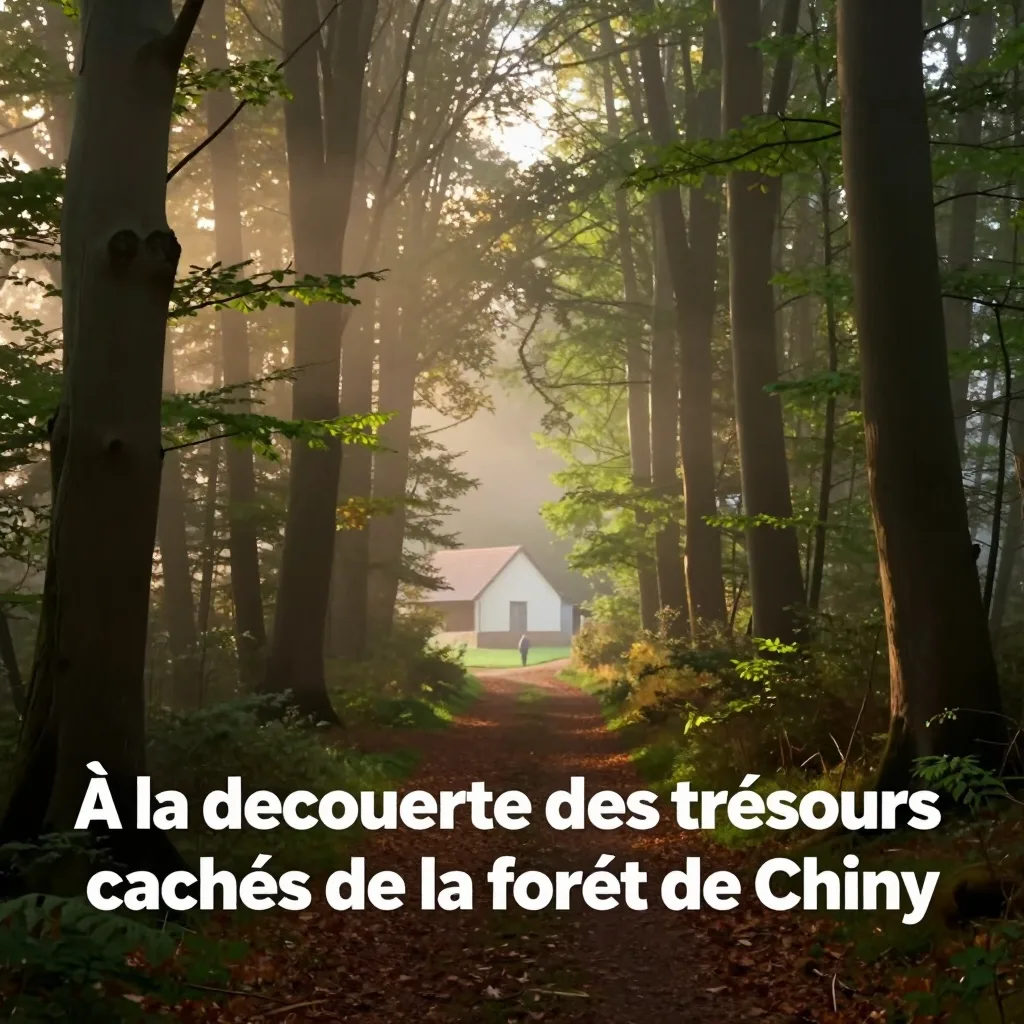
The Chiny Forest: A green lung between land and history
The Gaume region is more than just sunny vineyards or half-timbered villages—it also nurtures extensive woodlands where time seems to stand still. The Chiny forest, nestled between valleys and ridges, is a perfect example. With its centuries-old beeches and towering oaks, it offers a peaceful setting far from the hustle of main roads. But beyond its visual beauty, this forest holds far more captivating secrets.
Covering around 2,500 hectares, it stretches mainly across the municipalities of Chiny, Étalle, and Tintigny. Partially designated as a Natura 2000 zone, it is home to rich flora and fauna, where red deer and wild boar share the space with crested tits or stag beetles. Yet few hikers venture into its depths without a guide. That’s where the most beautiful surprises lie.
Man’s enduring marks on centuries past
Beneath the thick canopy, the Chiny forest bears the scars of human history dating back long before the Duchy of Bouillon. Barely visible paths, known as woodcutter’s trails, wind between the trees. Some date back to the Middle Ages, used by timber merchants or charcoal burners to transport goods to rivers. Others, more recent, bear witness to 19th-century forestry exploitation when trees were felled to feed local forges.
An unusual detail often catches the eye of walkers: discreet but ever-present stone markers, delineating former noble estate boundaries. These stones, sometimes etched with faded coats of arms, remind us that this forest once belonged to noble families whose castles still loom over surrounding villages.
Meeting the silent guardians of the forest
To truly experience this outing, follow the Bee Trail, a marked path that blends nature and anecdotes. This route owes its name to local beekeeping traditions, thriving here for generations. Traditional beehives, made of wood and straw, still dot the forest edges, a reminder that Gaume has always been a land where humans and nature coexist in harmony.
Along the way, traces of this relationship surface: old grazing zones, spring-fed clearings, or trees marked by former owners—evidence of sustainable forest management.
A heritage to preserve, a landscape to share
Despite its beauty, the Chiny forest remains underrated. The few marked trails like the Three Lakes Path or the GR129 invite leisurely strolls, but IGN maps or hiking apps rarely reveal its hidden charms. A local guide, passionate about these depths, would be the best companion to uncover its secrets: clearings where rare orchids bloom, ancient stumps covered in moss, or valleys where crystalline streams flow.
This forest calls for slowness. It reminds us that heritage isn’t limited to church stones or mill walls. The trees, streams, and wildlife here are guardians of a living memory, waiting to be rediscovered at a leisurely pace.
So lace up your sturdy shoes, grab a map—or better yet, bring along a guide—and let the shadows and whispers of the Chiny forest guide your steps. An experience like this leaves an indelible mark on the memory of Gaume’s landscapes.
Want to discover the Gaume in person?
Six characterful houses, hot tub, walled garden — minutes from the sites we write about.
See the houses