
Gaume herbages in July: nature's flourishing palette
Mid-summer in Gaume transforms meadows into vibrant landscapes. Discover the floral varieties composing this unique setting.
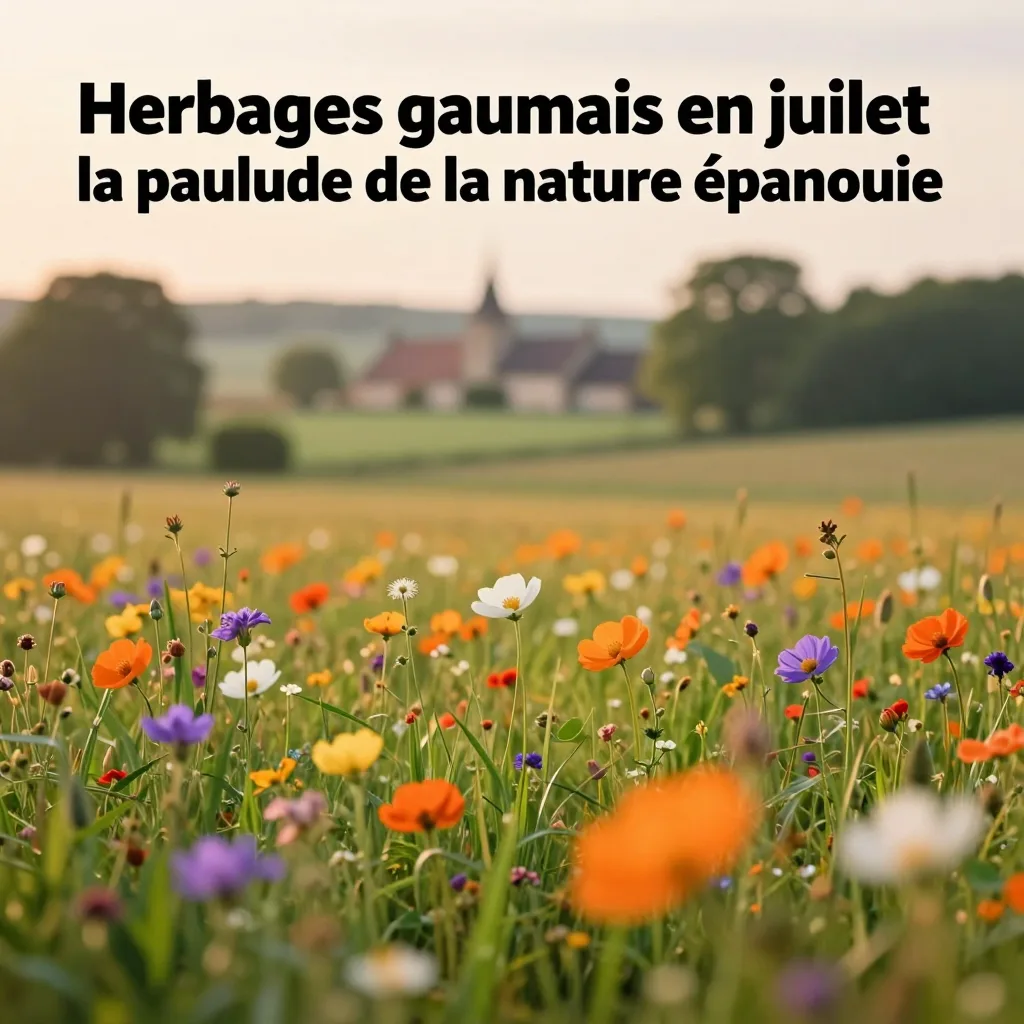
July in Gaume: a crossroads of colours
Gaume in July is a symphony of greenery and wildflowers, where the hay fields and grassy meadows burst into life. The long days, brimming with golden light, bathe the valleys of the Semois, the Chiers and their tributaries in a warm glow. This unique combination of light and the limestone-rich soils fosters a flora that would rival any botanical garden. Strolling along the paths cutting through these open spaces, one is struck by the vibrant mix of yellows, blues and purples scattered across the landscape. Ox-eye daisies blaze in clumps of white petals with golden centres. Nearby, purple loosestrife lifts its slender stems, topped with clusters of tiny violet flowers that draw bees by the thousand. Further afield, wild chicory adorns the roadsides with its sky-blue blossoms, a subtle nod to this region at the meeting point of the Ardennes and Lorraine, a botanical melting pot.
Between pastures: the balance of ecosystems
These herbages, often eclipsed by denser forests or more dramatic cliffs, are in fact the lifeblood of Gaume’s biodiversity. Their existence results from a delicate balance between human activity and the generosity of the soil. Local cattle breeds, such as the distinctive Gaume cow or hardy Highland cattle, graze these meadows, maintaining them in a patchwork of heights and densities. These animals, well-suited to rugged terrain, prefer the tough grasses of the prairies sèches to more lush meadows. Their droppings scatter nutrients across the fields, enriching the soil and fostering a rich variety of plant life. This traditional, low-intensity grazing allows for incredible floral diversity, where even the most unassuming species find their niche. Among them, the yellow rattle — a semi-parasitic plant — latches onto grass roots, sapping nutrients while leaving room for other modest plants to thrive.
Botanical walks: where to experience nature in full bloom
The best way to soak up this floral richness is to saunter without a fixed route, simply observing. The RAVeL network, repurposed from old railway lines into greenways, offers ideal routes. Along these lanes, vegetation flourishes undisturbed. Here, you may encounter the elegant purple angelica, its umbrella-like flower clusters rising above the grasses, or the delicate meadow cranesbill, its pink petals visible from afar. Venturing off the paths, the steep slopes of the Semois valley reveal even rarer flora: orchids nestle in the grass, such as the common spotted-orchid, a modest yet charming representative of the region’s botanical wealth.
Herbages: quiet stars of the Gaume terroir
Beyond their ecological role, these herbages contribute to the local identity. Hay cut in July, once dried, becomes vital livestock fodder for farmers. It also ties into Gaume’s gastronomy: dishes like fricassée au poulet often include foraged meadow herbs, and artisanal goat cheeses owe their subtle, wild flavours to the diverse herbs grazed by the animals.
A heritage needing protection
Though resilient, this landscape is vulnerable. Climate change, marked by more frequent droughts, pressures these ecosystems adapted to a milder climate. Intensive agriculture, by reducing floral diversity, impoverishes both soil and scenery. Preserving Gaume’s herbages demands a collective effort: supporting local producers who uphold traditional grazing, limiting pesticides, and valuing these spaces not just for beauty, but for their ecological role. In Gaume, every field is a page in a living book — and taking time to read it helps preserve that story.
Want to discover the Gaume in person?
Six characterful houses, hot tub, walled garden — minutes from the sites we write about.
See the houses