
Gaume's Dry Grasslands: The Hidden Treasure of Limestone Meadows
On the sunny slopes of Torgny and Montquintin, a rare and fragile ecosystem shelters wild orchids and exceptional butterflies. Journey into the heart of Gaume's limestone grasslands.
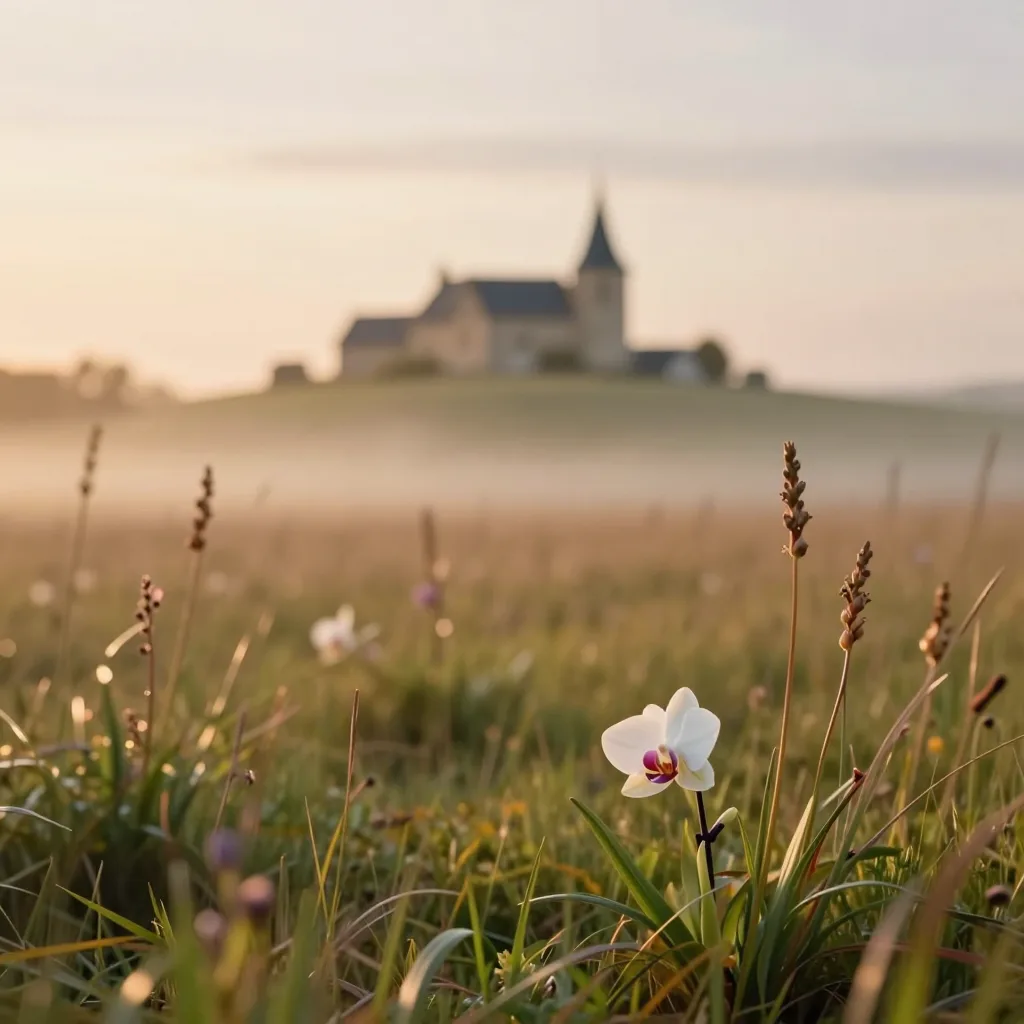
A Suspended Garden Above the Valley
When you think of Gaume, you imagine its deep forests, tranquil rivers, stone villages. But there's another face to this territory: limestone grasslands, those dry meadows covering certain south-facing slopes. In Torgny, Montquintin, and Latour, these seemingly modest environments harbor biodiversity of unexpected richness. Wild orchids, watercolor-hued butterflies, aromatic plants: here, every square meter vibrates with intense, fragile, precious life.
These grasslands owe nothing to chance. They result from a millennial balance between geology, climate, and human activity. Limestone bedrock surfaces, sun warms exposed slopes, and for centuries, extensive grazing by sheep and goats kept these spaces open. Today, they rank among Europe's most threatened habitats, nibbled away by scrub encroachment, pastoral abandonment, sometimes by urbanization.
A Refuge for Rare Species
In spring and summer, limestone grasslands dress in subtle colors. Lady orchid, bee orchid, green-winged orchid: these wild orchids grow discreetly among grasses. They bear no resemblance to cultivated varieties, yet their miniature beauty fascinates. Alongside them grow wild thyme, rock rose, germander—Mediterranean plants that find here, at Belgium's southern tip, a climate mild enough to thrive.
Butterflies also favor these environments. Common blue, scarce swallowtail, marsh fritillary: certain species live only in these dry meadows, where their caterpillars feed on specific host plants. Watching a swallowtail unfold its striped wings on a flowering thistle makes you understand that these grasslands aren't simply green spaces, but ecosystems of fascinating complexity.
Preserving What We Barely See
Protecting limestone grasslands requires delicate management. Too much grazing and rare plants disappear; too little and bushes invade. Some managers reintroduce sheep or goats, others practice late mowing. The goal remains constant: maintain these spaces open, light, luminous.
Walking on a limestone slope in Gaume means treading on a living, fragile carpet that tells a story thousands of years old. It also means realizing that nature's greatest treasures aren't always the most spectacular. Sometimes they hide in a sloping meadow, under summer sun, between two stone villages. And it's precisely this discretion that makes them so precious.
Want to discover the Gaume in person?
Six characterful houses, hot tub, walled garden — minutes from the sites we write about.
See the houses