
August Kitchen Gardens in Gaume: The Season of Generous Harvests
In Gaume villages, August marks the peak of the kitchen garden. Between sun-soaked tomatoes and climbing beans, discover a living tradition that still feeds local tables.
When the Vegetable Patch Becomes a Calendar
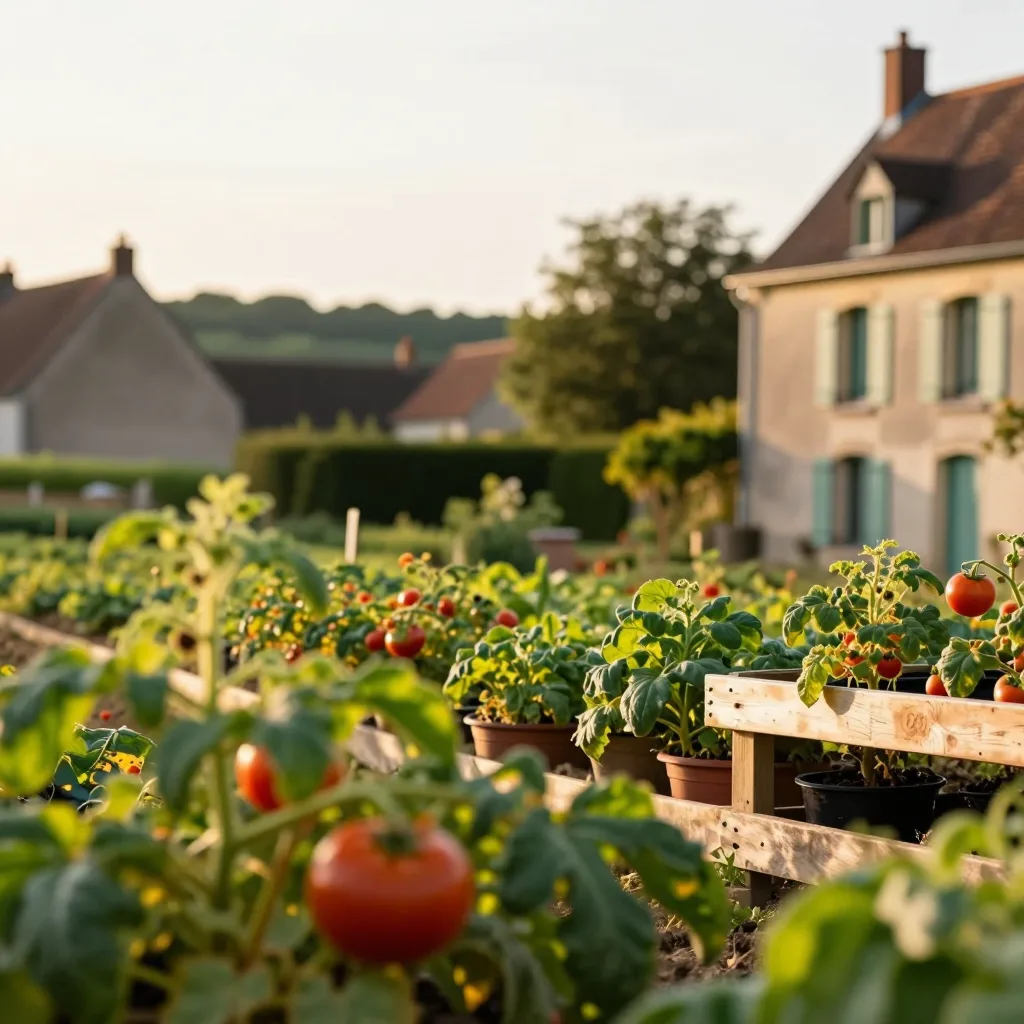
In Gaume, kitchen gardens are not mere vegetable plots. They are the village clock, the seasonal thermometer, the memory of a peasant self-sufficiency that has never completely vanished. This August, tomato rows bend under the weight of ripe fruit, beans climb their handcrafted poles, and squash begin to spread their empire across the ground.
In every village — from Torgny to Latour, from Sommethonne to Montquintin — kitchen gardens stretch behind stone houses. Here, no trendy garden centers: people recycle, take cuttings, exchange seeds from one year to the next. The "cœur de bœuf" tomato comes from a neighbor, the rhubarb plant was divided by an aunt, and the potatoes are the same varieties grandfather planted.
Vegetables of the Gaume Table
What the August garden produces will become tomorrow's touffaye, September's cûtchau, the preserves that will last through winter. Princess beans — a local climbing variety, thin and tender — are harvested almost every other day. Onions dry in braids hanging under the eaves. Red beets wait until mid-September to join the jars.
Herbs hold a place of honor: savory accompanies beans, flat-leaf parsley is chopped into salads, chives bloom in purple pompoms. And in a sheltered corner, a few lovage plants — this forgotten herb with its powerful celery flavor — remind us that Gaume cuisine has never completely abandoned its Lorraine roots.
A Knowledge Passed Down in the Garden
What strikes you when wandering through Gaume village lanes in August is the mix of generations in the gardens. The elderly still spend most of their mornings there, hoe in hand. But you also meet young couples, returned home or newly settled, relearning the gestures. Some have traded mowed lawns for raised beds, inspired by permaculture, but always advised by the eighty-year-old neighbor who never stopped.
Surplus is shared. A basket of tomatoes placed on a low wall, some zucchini left at one house, a bag of beans offered to another. This gift economy, discreet and receipt-free, still weaves part of the social fabric in Gaume hamlets. It reminds us that before being a tourist region, Gaume was — and partly remains — a farming land where people grow to feed themselves, not just for aesthetics.
The Green Gold of Late Summer
By mid-August, the Gaume kitchen garden reaches its peak of generosity. Lettuces bolt to seed, but the first chicories already emerge. Late raspberries redden in the hedgerows, and damson plum trees bend under blue-black fruit that will become Sunday tarts.
This is not a magazine-perfect garden, weed-free and flawless. It's a living garden, sometimes messy, always nourishing. A space where one learns patience, observation, respect for cycles. A place where Gaume tells itself differently than through its abbeys and landscapes: through soil, hands, and what grows between them.
Want to discover the Gaume in person?
Six characterful houses, hot tub, walled garden — minutes from the sites we write about.
See the houses