
Gaume stone: the ochre face of our villages
From Torgny's facades to Montquintin's alleyways, the golden limestone tells the deep identity of a terroir built over centuries.
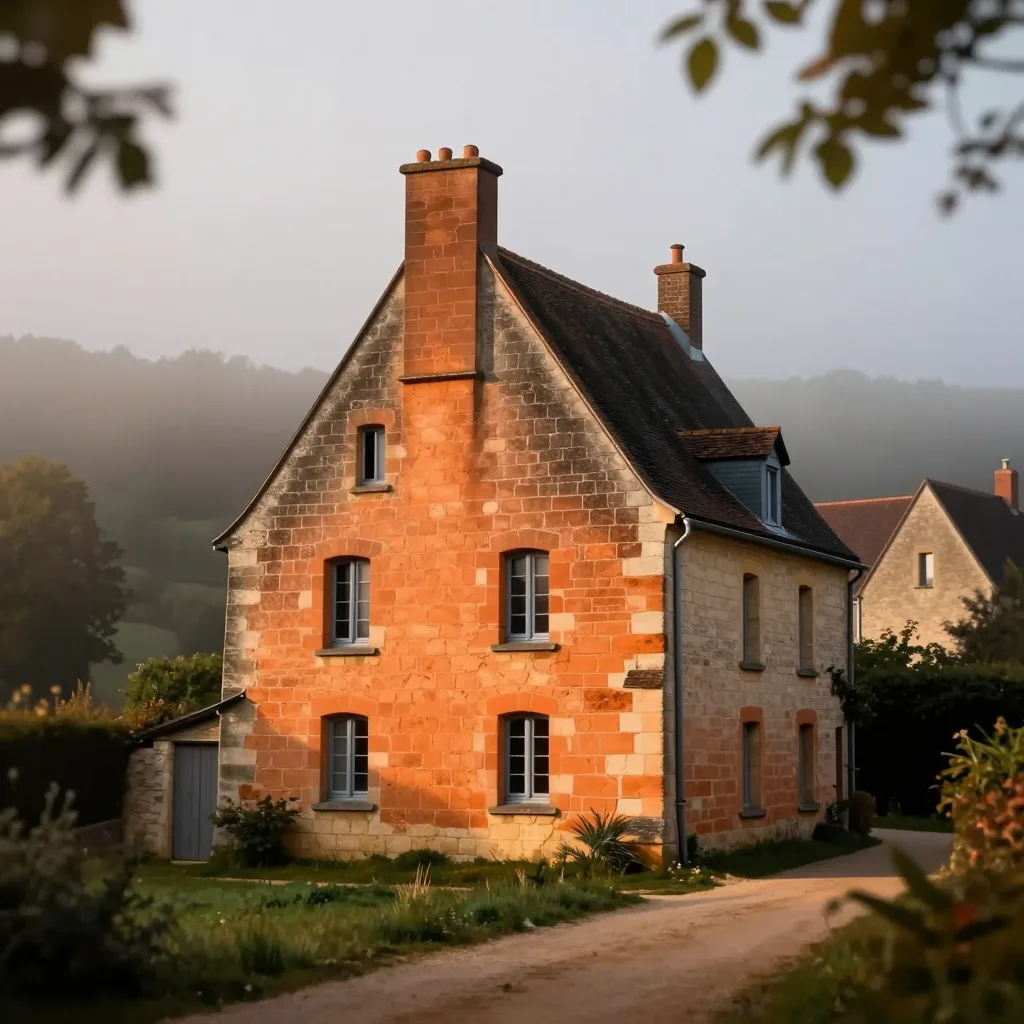
Gaume stone: the ochre face of our villages
You only need to wander through the lanes of Torgny or Montquintin to understand: Gaume is first read in its stone. This warm-toned limestone, ranging from pale yellow to golden brown, has shaped the architectural face of our villages for centuries. Quarried locally, it has built farms, churches, chapels and walls, giving the region its distinctive character.
This stone is more than a building material. It bears witness to a craft, that of quarrymen and masons who knew how to make the most of local geology. The outcropping limestone layers, formed millions of years ago, offered a stone soft to work with, durable once laid, and capable of taking on that golden patina under the August sun.
A heritage that breathes
In Torgny, the first Walloon village, the aligned facades seem straight out of a Lorraine architecture book. Window frames, carved lintels, door arches: everything is stone. Recent restorations respect this tradition, even though cut stone is expensive and craftsmen capable of working it are becoming rare.
Montquintin, perched on its ridge, plays the raw mineral card. Here, stone integrates with the terrain, houses embrace the slope, cobbled lanes wind between walls that seem to have always been there. Latour, Sommethonne, Lamorteau: each Gaume village plays its own variation around this same raw material.
Between quarries and memory
The old quarries, sometimes converted into nature reserves, remind us that this stone was long an economic resource. It was even exported beyond borders, to Luxembourg or Lorraine. Today, many of these sites are silent, colonized by vegetation, refuges for birds and lizards.
Yet interest in local stone is reviving. Owners concerned with authenticity seek to restore their buildings with original materials. Stonemasons perpetuate the gesture, far from standardized facades. This Gaume stone is also a question of identity: it anchors villages in their landscape, dialogues with limestone meadows, extends geology into habitat.
A heritage to preserve
Gaume's ochre stone is not merely aesthetic. It carries a memory, that of builders, of generations who raised these walls stone by stone. It reminds us that rural architecture is far from trivial: it reflects a terroir, a climate, a way of life.
While exploring Gaume on foot or by bike, take time to look up. Observe these facades, these walls, these church vaults. Gaume stone tells you a story — that of a land that knew how to build with what it had underfoot, and that continues, in its own way, to take pride in it.
Want to discover the Gaume in person?
Six characterful houses, hot tub, walled garden — minutes from the sites we write about.
See the houses