
The Torgny vineyard: a terroir of light at the edge of Belgium
In southern Gaume, on the sunny slopes of Torgny, Belgian vines cultivate a luminous paradox: ripening grapes under northern skies, with the patience of a Lorraine tradition.
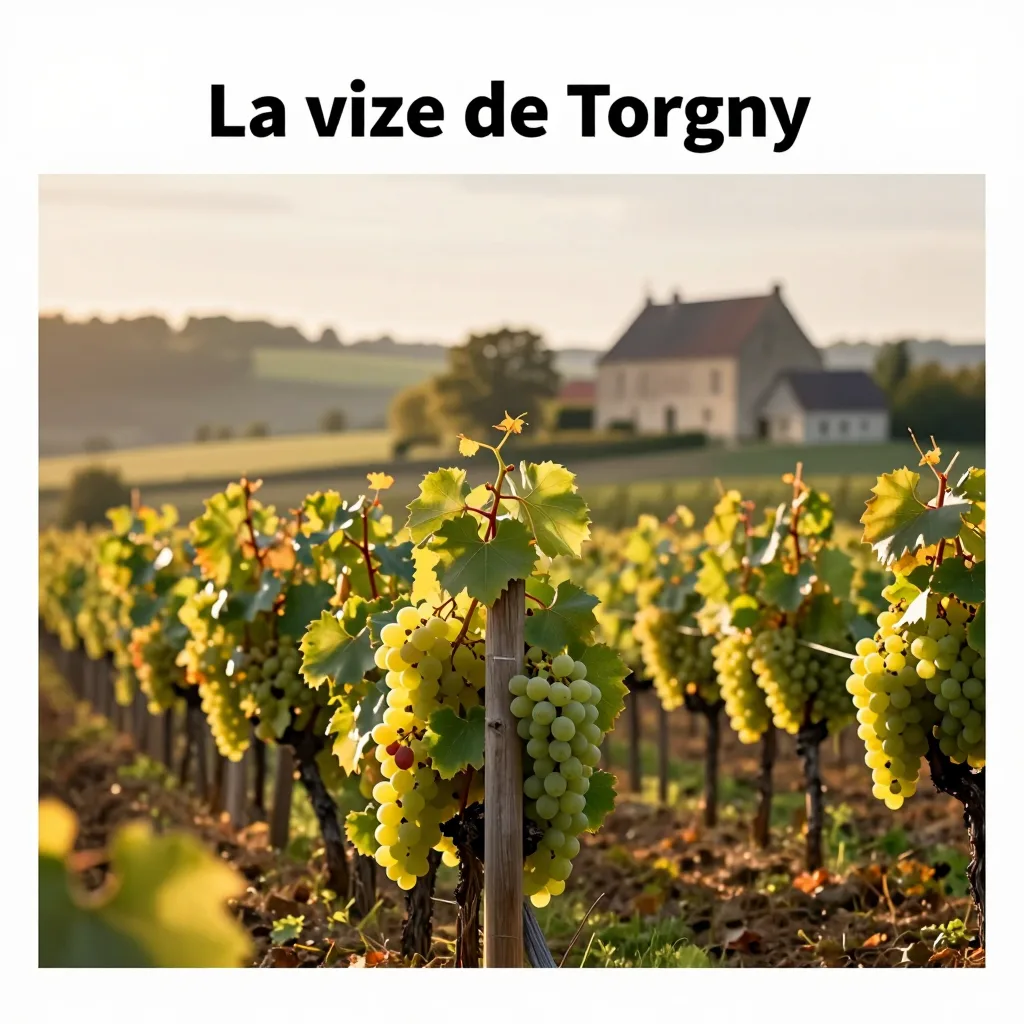
An unexpected vineyard under Gaume skies
When you arrive in Torgny via the winding road descending from Rouvroy, the surprise strikes immediately: rows of vines aligned on gentle south-facing slopes, as if neighboring French Lorraine had quietly crossed the border. Here, in Wallonia's southernmost village, the vineyard is not a late tourist gimmick, but a living heritage rooted in the memory of the place since the Middle Ages.
The Torgny vineyard benefits from an exceptional microclimate for Belgium: well-drained limestone soils, full southern exposure, temperatures slightly milder than elsewhere in Gaume. The grape varieties — mainly auxerrois, pinot gris, pinot noir, müller-thurgau — cling to these slopes with silent determination. The harvest, often in September or early October, remains a moment of collective celebration, where amateur and passionate winemakers gather to hand-pick what summer has yielded.
A wine that speaks of patience
Torgny wine does not seek to rival the great Lorraine or Moselle vintages. It embraces its modest character, its mineral freshness, its discreet aromas of white fruits and flowers. It is a terroir wine in the humblest and truest sense: it tells something about the place, the capricious climate, the patient work of winemakers who replant, prune, train, and harvest, year after year.
In cooperative cellars or family initiatives, small quantities are vinified, experiments conducted, knowledge transmitted. No large industry, no flashy marketing. Just the conviction that the vine belongs to this landscape as much as the orchards, hedgerows, or ochre stone walls.
A walk between vines and heritage
Walking among Torgny's vineyard rows also means rediscovering the village itself: Lorraine houses with colorful facades, cobbled lanes, medieval garden, Saint-Martin church. The vineyard forms one body with the built heritage, as if stones and vines were answering each other in a common language — that of a Gaume open to the south, proud of its particularities.
In summer, when the sun warms the slopes, you can sit by a dirt path, watch the vine leaves tremble in the breeze, and feel that rare closeness to a terroir that refuses to disappear. Some winemakers organize guided tours or tastings, in the discretion of a cellar or during a village festival. The essential is not in the glass, but in the gesture: continuing to keep alive a tradition that, elsewhere, would already have yielded to economic pressure or oblivion.
Want to discover the Gaume in person?
Six characterful houses, hot tub, walled garden — minutes from the sites we write about.
See the houses