
The Smugglers of Gaume: Living Memory of an Unruly Border
Between Belgium, France and Luxembourg, Gaume long thrived to the rhythm of nocturnal passers. A cross-border epic etched into the stone of sunken lanes.
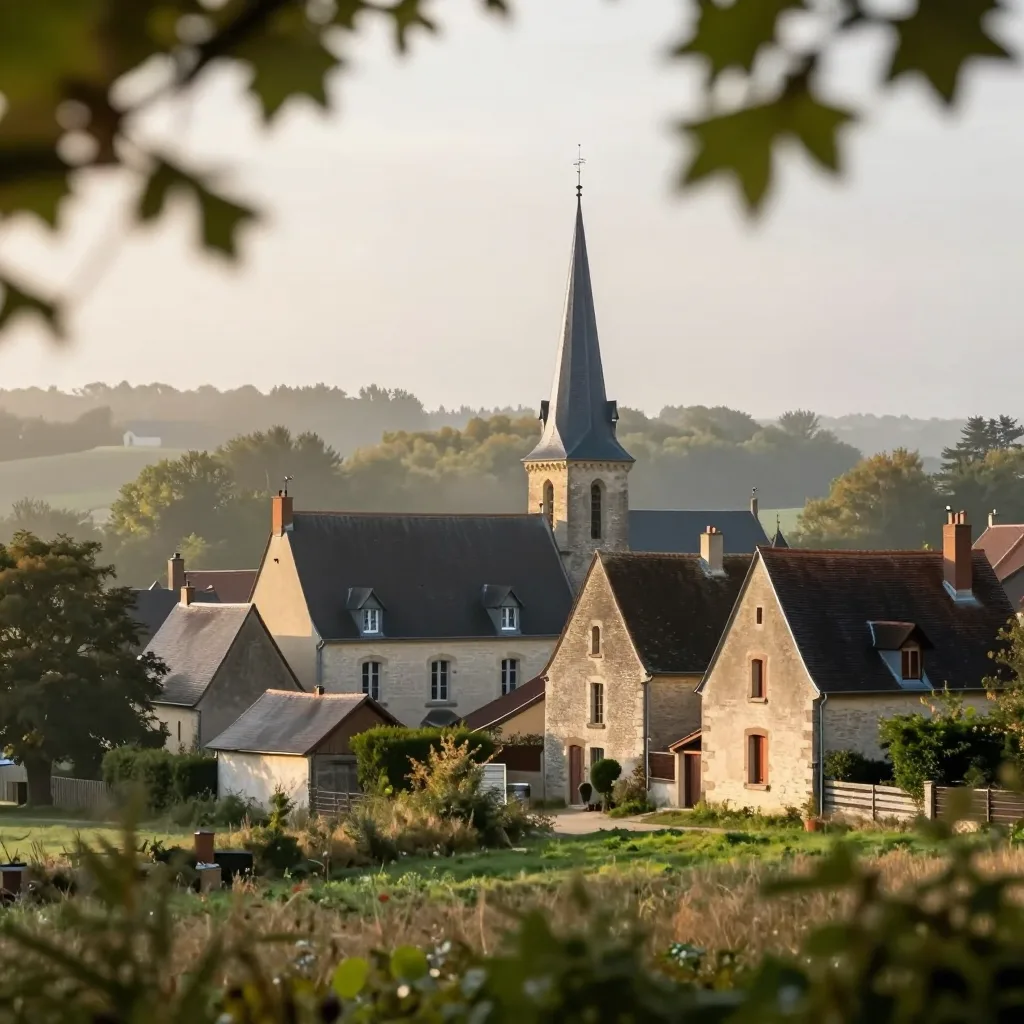
When the Border Shaped Destinies
Gaume hasn't always been this peaceful cross-border haven where one crosses from country to country without a thought. For decades, until the 1960s, the border was a living line, watched, feared. And crossed, every night, by men and women who had made clandestine passage a trade, sometimes a necessity. They were called smugglers.
They carried everything worth passing: tobacco, coffee, sugar, matches, Swiss watches. Depending on the era and tax differences between Belgium, France and the Grand Duchy, the flows reversed. One evening, goods went out to Lorraine. The next day, less-taxed French salt came back in. This everyday geography shaped entire generations of Gaume people.
The Night Paths
Smugglers knew every trail, every fold in the terrain. Between Virton and Montmédy, between Torgny and Marville, between Florenville and the Luxembourg Moselle, an invisible network of sunken lanes served as corridors. Some still bear evocative names: the Customs Officers' Path, the Tobacco Trail.
The customs officers also knew the terrain. The cat-and-mouse game was constant. People still tell, in isolated farms, stories of chases through the woods, hiding places built under barns, fake hay deliveries concealing bundles of prohibited goods. Certain villages, like Lamorteau or Sommethonne, keep the memory of these restless nights.
An Oral Heritage Still Alive
Today, customs officers have disappeared, borders have faded. But memory remains. In the cafés of Virton or Latour, the elders still recount the exploits of some uncle or aunt who knew how to cross "without getting caught." These tales, often romanticized, belong to Gaume folklore as much as legends of saints or stories of fairies.
This oral heritage recalls an era when Gaume was a land of passage as much as roots. A grey zone, fluid, where identity played with lines drawn on maps. Smugglers were, in their way, guardians of a freedom of movement that today's Europe has finally recognized.
Walking these sunken lanes today means treading on clandestine history. A history that still whispers in the wind, among the beeches and thick hedges, that Gaume has always been a borderland — and a land of crossing.
Want to discover the Gaume in person?
Six characterful houses, hot tub, walled garden — minutes from the sites we write about.
See the houses