Gaume cheese: Orval’s spark on the plate
When Trappist tradition meets local craftsmanship, a unique cheese is born, blending the gentleness of pastures with the strength of wild herbs.
A legacy shaped by Gaume’s meadows
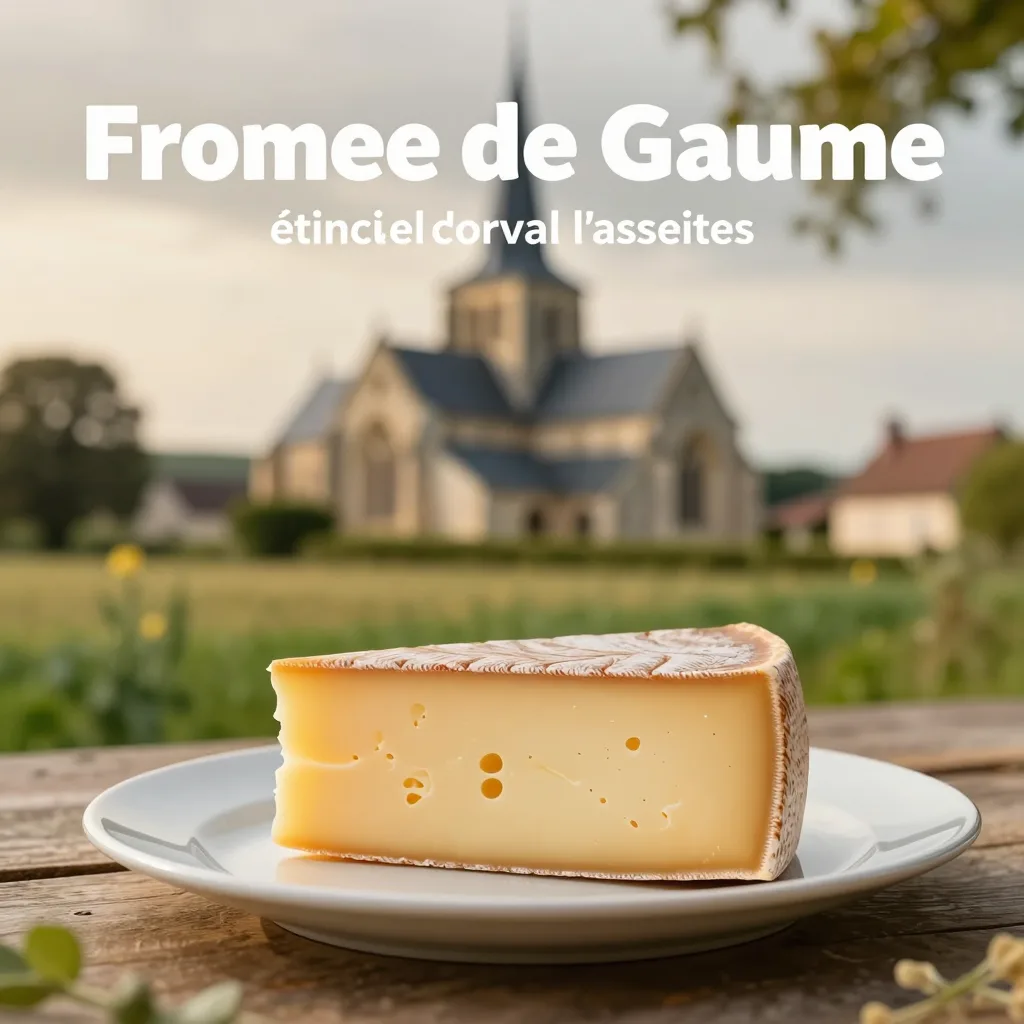
Gaume, this southern Belgian land where hills meet the gentle plains of Lorraine, has cultivated a well-deserved reputation for local produce for centuries. Among them, cheese holds a special place—a symbol of the alchemy between traditional agriculture and monastic influences. A few miles from the Abbey of Orval, whose Trappist monks shaped the region’s history, local farms keep alive a craftsmanship that draws its singularity from meadows rich in wild plants.
Gaume’s pastures, often described as 'permanent meadows' by breeders, offer remarkably diverse fodder. Wild thyme, clover, nettle, and even dandelion thrive here, infusing the cows’ milk with unique aromas. Compared to the neighboring Lorraine region, with its higher altitudes, Gaume enjoys a milder climate and abundant sunshine—ideal for herds and those who turn their milk into cheese with bold or refined profiles.
Craftsmanship between tradition and uniqueness
Unlike industrial cheeses that standardize flavors, Gaume’s cheesemakers rely on age-old methods where human hands and time play a central role. Many still use copper vats, a legacy from an era when dairy artisans flocked to the smallest villages. Slow fermentation in humid cellars with stone walls allows flavors to develop subtly. Some cheeses, like those aged in farms around Torgny or Virton, boast a creamy, bloomy rind or delicate blue mold, revealing an unexpected affinity with France’s great blues.
The diversity of recipes is striking: from pressed cooked cheeses, firm or soft, to washed-rind cheeses evoking the humus of surrounding forests. While fans of mildness turn to raw-milk soft cheeses, others prefer bolder versions where rennet plays a key role in structuring the curd. Aging rules vary by producer, but one constant remains: respect for nature’s pace.
Cheese as a storyteller of terroir
Tasting Gaume cheese is more than a tasting experience—it’s a sensory journey to the heart of a land where every valley, every farm, every family of breeders has its own interpretation of milk. The cheese becomes a silent ambassador of landscapes: a subtle tang may recall the meadows of Latour, while a crusty bite might evoke the steep pastures of Chiny or Sommethonne, where cows graze freely in summer.
In an era where uniformity threatens local specialties, Gaume stands as a bastion of diversity. Some cheesemakers, determined to preserve dairy heritage, collaborate with organic breeders, ensuring exemplary traceability. Others, based near streams like the Semois or the Loison, export part of their production to regional markets, strengthening ties between producers, artisans, and consumers.
Tomorrow: between innovation and preservation
With growing demand for authentic products, Gaume’s cheesemakers must balance tradition and creativity. Some incorporate wild flowers into production or experiment with aging in unusual environments—oak, beech, or even under the auspices of the region’s limestone rocks. This controlled boldness preserves a delicate balance where the terroir’s identity remains intact.
Ultimately, Gaume cheese is more than food: it’s a tribute to the passage of time, to the slowness of growing grass, and to the collective memory of villages where more than cheese is woven—a sense of belonging.
Want to discover the Gaume in person?
Six characterful houses, hot tub, walled garden — minutes from the sites we write about.
See the houses