
Torgny: the hidden vineyards and the harvest’s golden light
In Torgny, the slopes near the French border glisten in autumn. Discover the little-known story of Gaume’s vineyards and the unique bond between vines and villages.
Where the wine meets the flow of time
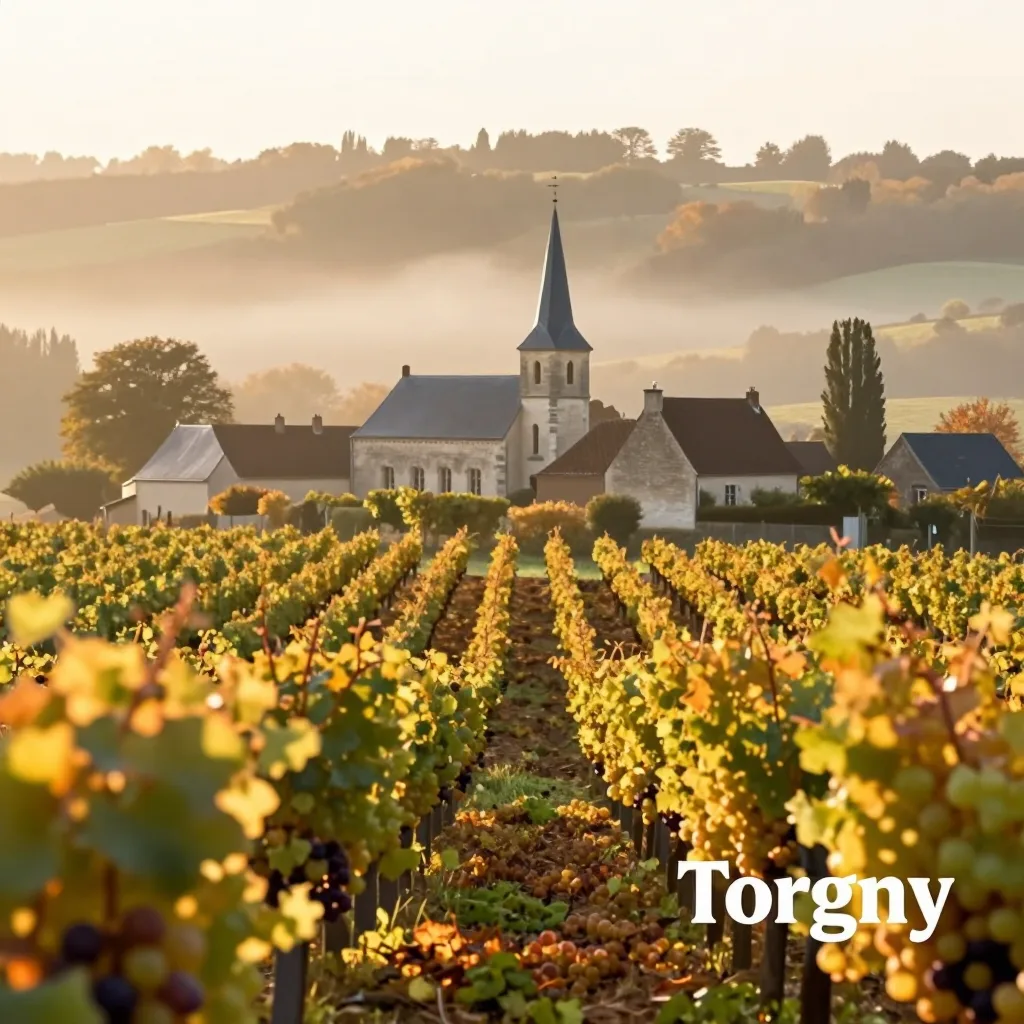
Dawn brushes the slopes of Torgny, where rows of vines stand like lines of written verse. Just steps from the French border, the Gaume region reveals a discreet yet enduring heritage: its vineyards. Though often overshadowed by local specialties like maitrank or Trappist cheeses, the vines of Torgny have been tended here for centuries, their roots sunk deep into warm, clay-limestone soil shaped by patient hands.
Local lore suggests the first vines may have been planted in Roman times, but it was the monks of Orval Abbey and local lords in the Middle Ages who refined the craft. Records tell of vineyards dating back to the 12th century near the abbey’s dependencies, their presence still etched into the landscape.
Autumn awakens the hills in golden hues
September in Torgny is a season of transformation. The leaves, still green in August, dress in crimson, gold, and violet. The clusters, once translucent under summer skies, darken and swell, on the verge of their destiny. Though smaller than Burgundy or Champagne, the harvest remains a cornerstone of Gaume’s traditions. Families join hands, woven baskets replace machines, and tractors move quietly between rows like silent guards.
An old local proverb reminds us: « A harvest well done is written in the sweat of brows and the glimmer of stars. » The cold nights of Torgny, crisper than elsewhere in Belgium, slow the grapes’ ripening, letting sugars concentrate with each drop of dew.
Between wine and borders: a unique identity
What sets Torgny’s vineyards apart is their proximity to French Lorraine. For centuries, people on either side of the border have swapped vines, knowledge, and even bottles. Old postcards show wine markets held near the Ruette border post, where growers brought their Torgny wine—a white often made from local Riesling or Pinot Gris.
Today’s stewards of these slopes strive to keep that legacy alive, adapting grape varieties to a changing climate. Early-ripening Pinot Gris has largely replaced older strains. Some even use organic methods to protect the soil, the very foundation of this fragile balance.
A heritage to see, taste, and live
Beyond tasting sessions offered by a handful of family-run estates, walking trails open another door to these vineyards. The Pierre-au-Bot trail winds though the slopes, offering views not just of vines, but of the region’s signature yellow-stone houses. The hand-built retaining walls speak of past generations turned stone to hold the earth.
A stroll here in October, when the low sun sets the leaves aglow and the air carries the scent of damp earth, reveals Torgny isn’t just Belgium’s southernmost village. It’s an earth where both wine and time are still cultivated.
Tomorrow: balancing memory and fresh ideas
With the rise of wine tourism across Europe, Torgny’s vineyards may find a brighter spotlight. Local initiatives, backed by towns and heritage groups, aim to share this unique terroir. Pruning workshops, tasting markets under the old railway station’s roof, and marked trails invite you to uncover a Gaume few expect.
So when you walk these golden slopes in autumn, look closer at the vines. It’s centuries of history, resilience, and passion in every sip of crisp Torgny white.
Want to discover the Gaume in person?
Six characterful houses, hot tub, walled garden — minutes from the sites we write about.
See the houses