Orval Cheese: a washed rind under the gaze of Cistercian ruins
Within the walls of a ruined abbey, Trappist monks still turn each wheel by hand. Orval cheese: a terroir you taste before you understand it.
Pasture milk between medieval stones
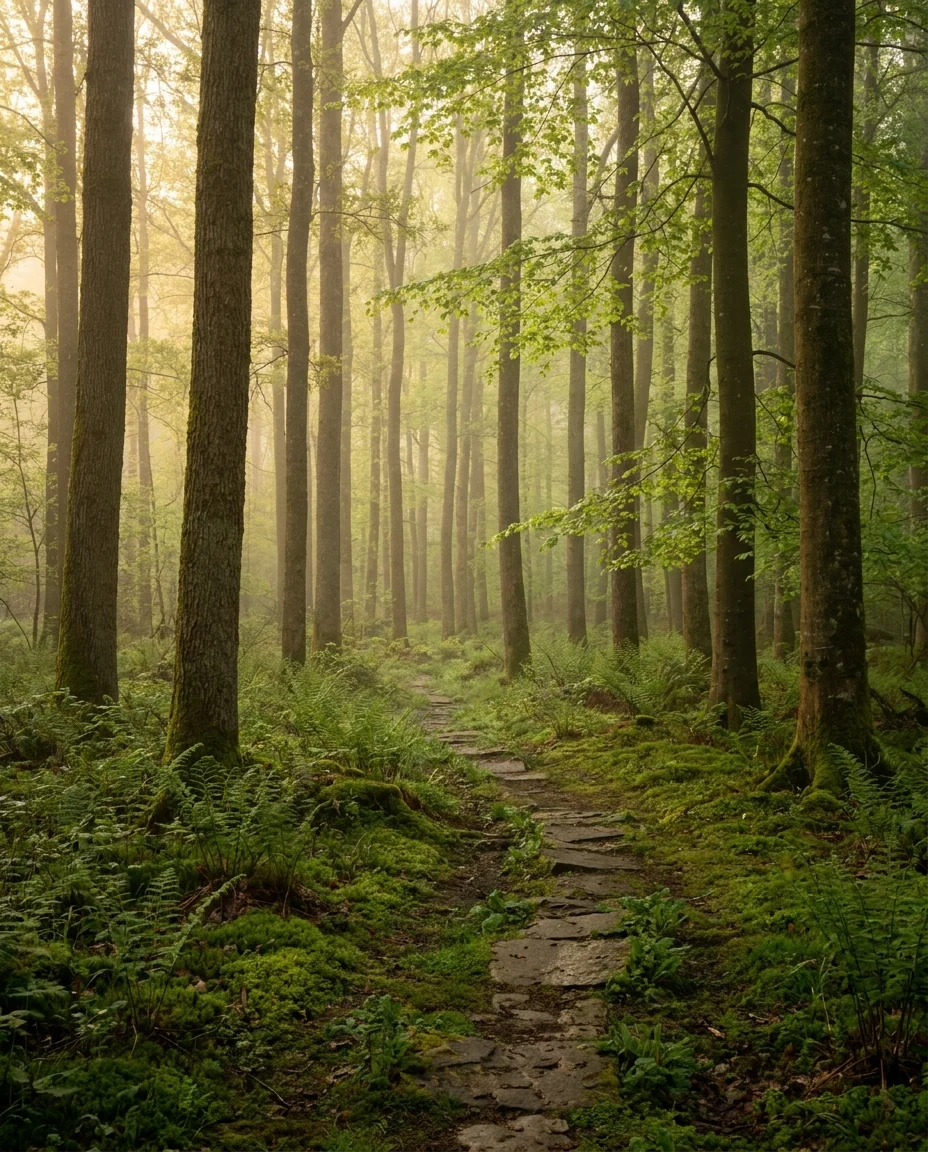
The Abbey of Orval, a few kilometres from the French border, is a place where time layers over itself without contradiction. The Cistercian ruins — gutted naves, archways swallowed by ivy — stand beside the still-inhabited monastic buildings, the brewery, and, in a discreet corner, the fromagerie. It is there that, for nearly a century, Trappist monks have been turning raw-milk cheese wheels by hand, under the low light of autumn afternoons.
Orval cheese is nothing like an industrial product masquerading as tradition. It is a soft cheese with a washed rind, cylindrical in shape, that develops a characteristic orange-brown colour after several weeks of ageing. Inside, the paste stays supple, almost creamy, with notes of butter, forest floor, and a faint bitterness that recalls the milk of cows who grazed the meadows of the Gaume. You don't bite into it; you let it melt.
The ritual of turning
In the morning, the milking of the abbey farm's cows delivers its milk. The curd is cut, moulded, pressed with a patience that modern production has nearly forgotten. The monks turn the wheels, watch over them, rub them with a brine that feeds the ageing bacteria and colours the rind. This gesture — turn, watch, wait — belongs to a contemplative order: prayer and labour mingle without hierarchy. No one rushes the monks, and the monks do not rush.
Gaumais autumn offers a particular milk. The cows, who have grazed the limestone hillsides all summer, produce a denser fat in September, when the light tilts and the grass greens one last time before the first frosts. That milk yields a rounder, longer-finished cheese than the one from January. Terroir, here, is not declared: it is tasted, then thought about at the table.
An abbey that still produces
Orval is one of the rare Trappist abbeys in the world to produce both beer and cheese. This dual terroir — hops and milk — shapes the identity of the place and its role in the local economy. The cheese accompanies the beer at the monastic table: a slice of washed-rind, a glass of amber liquid with fine bubbles, and dinner is complete without adding a thing. Visitors who walk among the ruins at the blue hour of dusk sometimes hear the bell that marks the monks' rhythm. They leave with a wheel under their arm, in silence.
At the end of the day, when the tourists thin out and the Viroin valley fills with mist, the fromagerie keeps working. Orval cheese waits for no one: it ages, slowly, in the calm darkness of vaulted cellars. And that is no small miracle.
Want to discover the Gaume in person?
Six characterful houses, hot tub, walled garden — minutes from the sites we write about.
See the houses