
Gaume's sinkholes: when the limestone hill drinks the river
In October, the rains reveal an invisible landscape: beneath Gaume's villages, limestone swallows water in chasms the old folk called doors.
In October, when rain hammers the slopes of the Gaume, a quiet phenomenon occurs. The water does not run off as it would over clay soil. Instead it plunges downward, vanishing into a crack, a funnel, a wide-open mouth in the pale rock. The villages of the Gaume, perched on limestone, live above a world that erases itself with every autumn shower.
The limestone that hollows beneath the hill
The Gaume rests on a fractured limestone bed, laced with veins, gnawed for millions of years by faintly acidic rainwater. Around Montquintin, Sommethonne and Virton, this soft rock dissolves. It carves hollows, channels, caverns invisible beneath fields and paths.
The doline — that rounded funnel some farmers still call a « trouille » — is the signature of Gaume karst. A field looks ordinary, then dips into a gentle basin where water pools after a storm. The old folks knew these depressions were doors. Behind the soil, the water travelled far, never to surface beneath the feet of anyone searching for it.
The water that plunges and does not return
Gaume's sinkholes are less spectacular than those of the Jura or neighbouring Moselle. But they exist, unobtrusive, sometimes fifty metres from a presbytery or a farmhouse. You spot them in autumn, when dead leaves mark them as dark dots on a golden carpet, or when a lamb vanishes into one without being seen to fall.
Hydrogeological maps trace underground rivers beneath the villages. The Rulles, the Vire, nameless streams: all reach a moment where they plunge into the rock to resurface a kilometre downstream, or three, or not at all. This invisible water sculpted the landscape as surely as the charcoal-burner's axe or the reaper's scythe. It explains why certain wells run dry one summer and return the next.
Villages perched on a secret
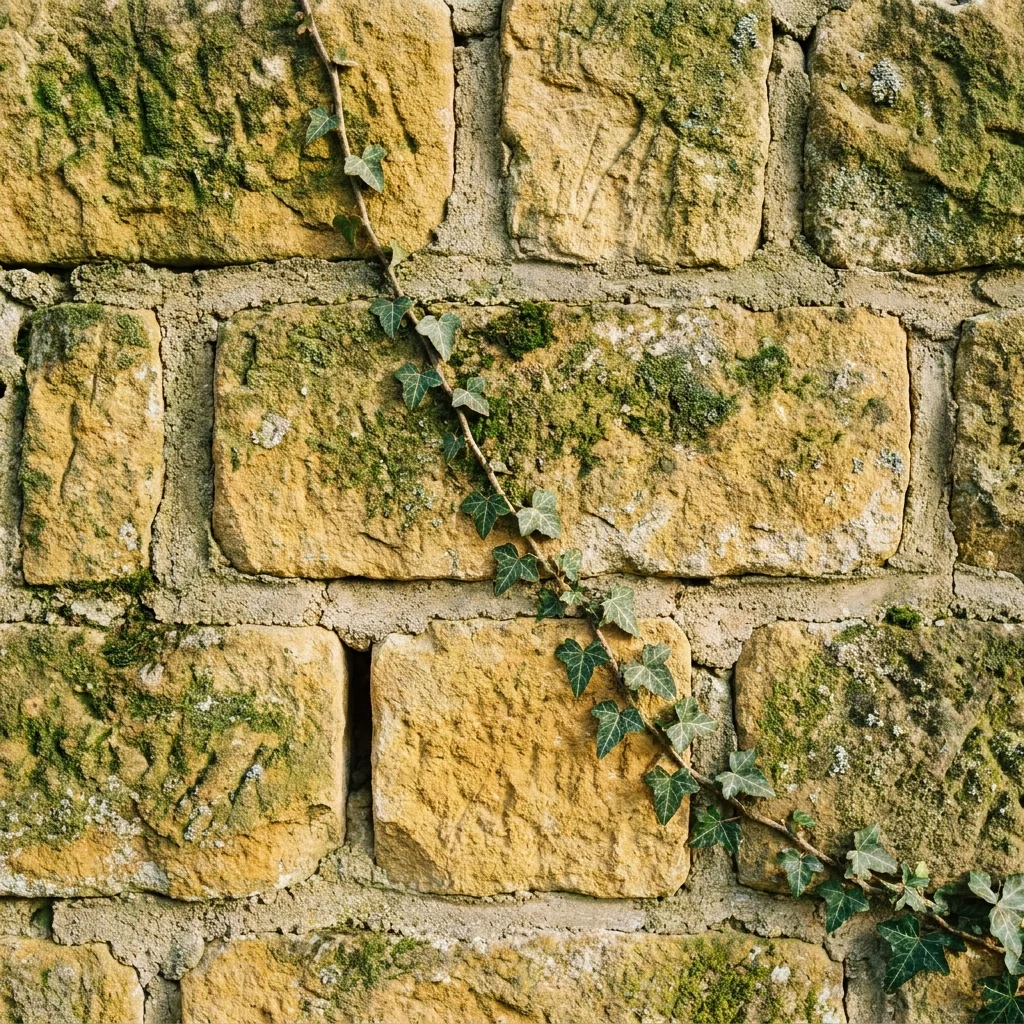
A Gaume village built on limestone often knows nothing of its own basement. Cellars cut into the rock weep moisture in January. Pale stone walls hold water rising by capillary action, releasing it as whitish streaks across the lime. The old folk said the water « passes under the houses ». They were describing, without technical vocabulary, what a hydrogeologist would confirm a century later.
This discreet karst is also a memory, geological and human. In the sinkholes, explorations have uncovered Gallo-Roman pottery shards, worked flint, bones. The deep Gaume keeps layers of civilisation that surface ploughs will never disturb. Autumn opens the earth with rain, then closes it again with mud. The sinkhole drinks, waits, and the secret continues to descend.
Want to discover the Gaume in person?
Six characterful houses, hot tub, walled garden — minutes from the sites we write about.
See the houses