
Winter pears: when Gaume's standard orchards feed the long Belgian winter
In Gaume's stone cellars, forgotten pears finish ripening slowly. High-trunk orchards are making a comeback, and with them a terroir taste many had lost.
A fruit that learns to wait
In the Gaume, you don't eat a pear when you pick it. You eat it when it has been through the cold. You harvest in late September, lay the fruit on a wooden rack in the vaulted cellar beneath the farmhouse, and wait. Weeks, sometimes months. By November, when the mist sinks down the valley and the first frosts crack the orchard soil, the winter pear is finally ready.
The beurré dur of Gaume orchards has nothing in common with a supermarket Williams. It is small, freckled with brown dots, barely sweet. It smells of damp cellar and straw. You slice it thin to accompany Orval cheese or Sunday's roast mutton. This is a fruit that rushes no one.
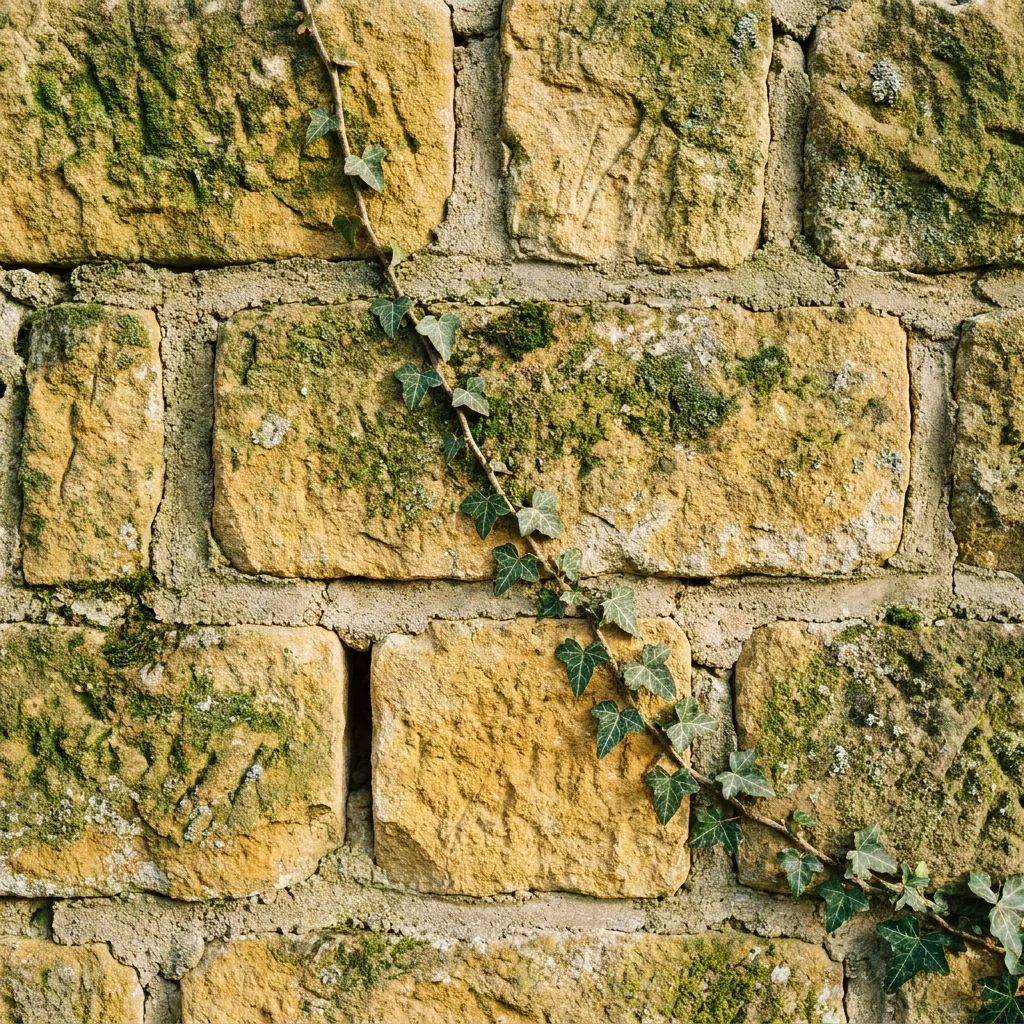
This way of keeping things alive through the cold months was part of the winter routine on farms. No cold room, no shipping containers. Just a limestone flagstone, a rubble-stone vault, and a pear learning to live the long time.
High-trunk orchards make a comeback
The standard orchards — those trees reaching four to six metres high, whose fruit you plucked with a long pole — nearly vanished. Industrial meadows, maize fields, hedge removal: everything gnawed at them. For a time, the Gaume looked like any mechanised countryside.
Then something tipped. Communes, associations, private owners are replanting. They choose old varieties — poire de Torgny, double florence, pomme reinette de Gaume. They revive ancient rootstocks. They prune the way their grandparents did, in low goblet or loose central-leader shapes. High-trunk trees are returning in handfuls along the sunken lanes.
This is more than heritage preservation. A standard orchard is a habitat all on its own: barn owls nesting in the branches, red squirrels, pollinating insects in April, hares sheltered under the canopy in summer. The grass underneath, mown once a year, still hosts wild orchids. The winter pear feeds the person, but the orchard feeds the landscape.
A pear that speaks Gaumais
The old folk never said pear. They said pir, pir-dî-gârd, and linked it to a specific beat of the village calendar. The cellar pir was the children's treat during long winter evenings, peeled over the table's edge with a blunt pocketknife. In some households, one went into the coat pocket of kids trudging to the valley school.
Today, small producers in the Chiers valley and around Arlon are trying to put these varieties back on local market plates. Dried pears, baked pears, unfiltered pear juice fermenting gently in glass bottles. The taste is subtle, earthy, far from the world of confectionery.
In mid-November, when the Gaume pulls its early-morning fog around itself like a cloak and the first fires light in the chimneys, there are still — in certain stone cellars — wooden racks heavy with wrinkled fruit, waiting. Patient as everything that grows under a Lorrain sky, on the edge of the Meuse and Luxembourg. They have nothing to prove. They have just finished ripening.
Want to discover the Gaume in person?
Six characterful houses, hot tub, walled garden — minutes from the sites we write about.
See the houses