
Watercress of the Semois: the green source that defies November frost
As November freezes the fields, the watercress beds of the Semois valley keep greening in running water. A quiet terroir that has fed the Gaume table for centuries.
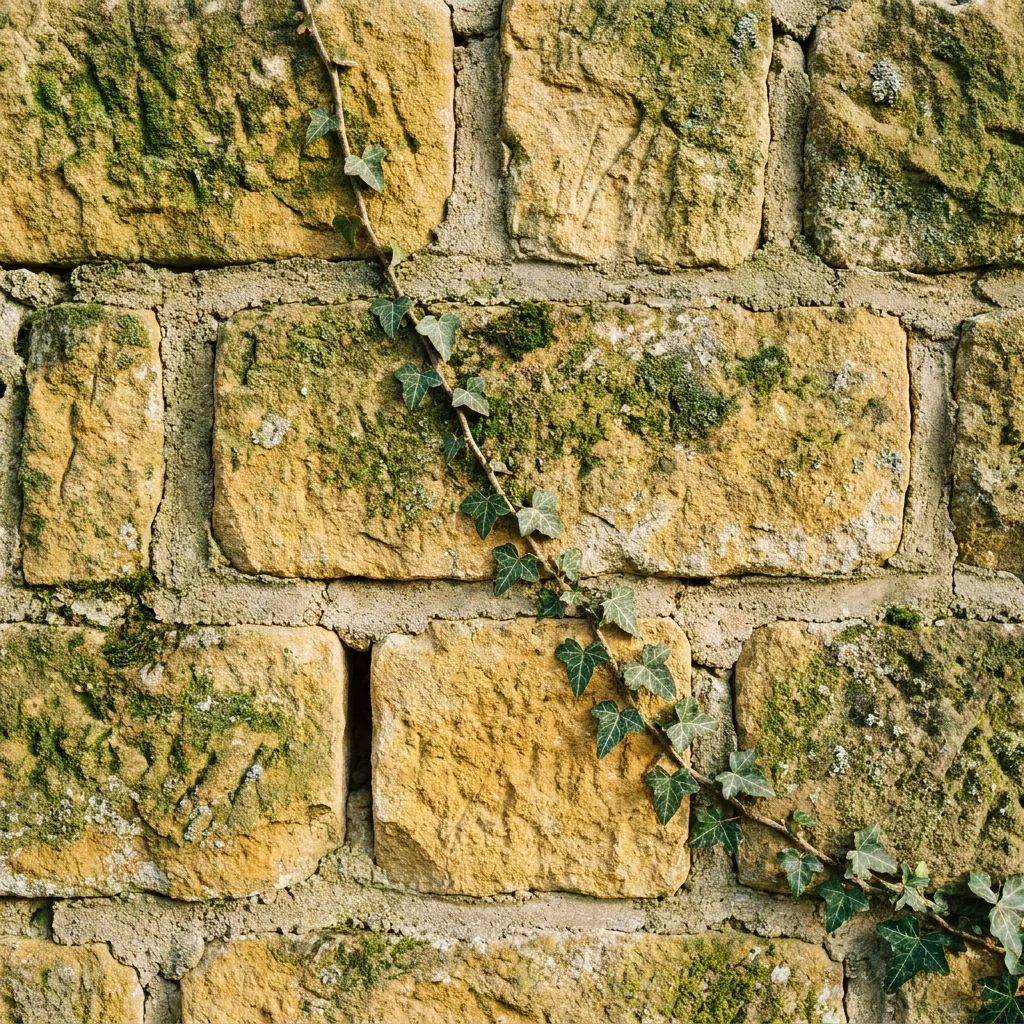
Frost pricked the plain at daybreak. Uprooted beetroot blackens along the roadside; hedges shed their last berries. Yet in a fold of the Semois valley, a tongue of green refuses to fade. Watercress grows in ice-cold water, a few centimetres above the spring, and the cold is its ally rather than its enemy.
Running water and stubborn green
Spring watercress is not sown like an open-field salad. It needs a thread of clear water flowing over limestone, a gentle slope, the shade of willow or ash that filters light without smothering it. The Semois, with its schist banks and quiet tributaries, has offered precisely these conditions for generations.
In November, growth slows but does not stop. The fleshy, round, glossy leaves cling to submerged stems. Water at six or seven degrees keeps the shoots firm, almost crunchy, far from the softness of August. Surface frost, if it does not burn the rosette, concentrates the flavours. A light piquancy, a note of fresh pepper you will never find in a greenhouse.
Once, every village beside a stream had its own watercress bed. A long, narrow plot, walled off with dry stone, fed by a small channel diverted from the spring. Families in Virton, Torgny, and the hamlets of Chiny picked by hand at dawn, carrying their bunches to the Saturday market.
From the spring to the plate
In Gaume, watercress is not a garnish on a plate. It goes into a thick potato soup, it is chopped into a poultry stuffing, it lines the bottom of a dish of smoked river trout. The oldest among them ate it raw, a sprig between the fingers, for the sharp freshness and for what they called « purging the blood » before winter.
With the first frosts, the leaves sometimes show a purplish rim, as if the plant blushed with its own resistance. This is the sign of well-grown cress, still tender at the heart. The season stretches until March, but November is the hinge: after the harvests, when gardens empty, the watercress bed is the only working kitchen in the valley.
A trade that goes quiet
No one says « going to the cress » anymore. The word has left the Gaume patois, like other words tied to water-land work. Plots still productive thirty years ago have been brambled over, silted up, or repurposed as ornamental gardens. The limestone, though, does not shift. The spring still flows, indifferent to who watches it.
Yet a few stubborn hands still tend a stretch of watercress bed on the heights of the valley. They clean the channel, pull dead leaves, reset a rubble stone displaced by frost. Not for the market, not for a tourist showcase. For Sunday's soup, for the neighbour who asks for a bunch in exchange for a beech log. A tiny barter, a continuity without glory.
As November closes in, when the light grazes the schist ridges and fog climbs the valley, you can still hear the water sliding under the stems. A very fine sound, almost inaudible beneath the crackle of frost. The watercress bed works in silence. It waits for the end of winter without promising anything, with that stubborn green the Gaume recognises above all else.
Want to discover the Gaume in person?
Six characterful houses, hot tub, walled garden — minutes from the sites we write about.
See the houses